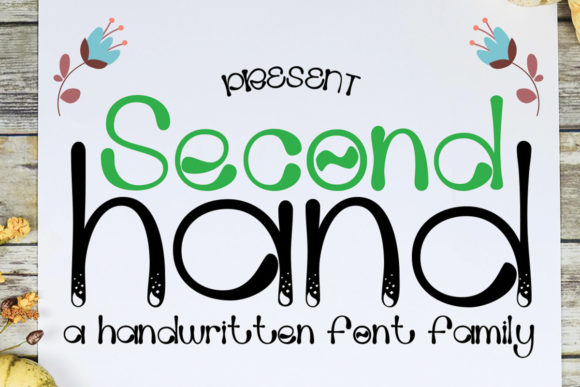
Second Hand Font for Editorial Design and Creative Projects
When it comes to crafting visually engaging content, the right font can make all the difference. Second Hand, a display font with a simple and casual aesthetic, is an excellent choice for bloggers, publishers, and editorial designers looking to elevate their layouts without overwhelming the reader. As part of your Fonts library, this typeface brings warmth and approachability to any project—whether you're designing a magazine cover, formatting an ebook, or creating eye-catching quote graphics.
Second Hand for Magazine Covers and Article Headers
In the world of editorial design, Second Hand stands out as a versatile display option that adds personality to publication branding. Its casual charm works especially well for lifestyle magazines, travel journals, or wellness publications where a friendly yet professional tone is key. The visual style of Second Hand allows it to command attention on covers while maintaining a sense of ease that invites readers to explore further.
For article headers, Second Hand introduces a subtle contrast when paired with more structured body text. It’s not overly decorative but still has enough character to break up long sections and guide the reader through your content. This makes it ideal for use in digital and print magazines, helping to reinforce a consistent brand identity across multiple issues.
Using Second Hand in Digital Publication Branding
Second Hand can also serve as a cornerstone of your digital publication's visual identity. Whether you're building a blog template, newsletter layout, or online course landing page, its presence helps establish a modern yet personable tone. The font complements clean backgrounds and minimalist designs, ensuring that your message remains clear while still feeling creative.
If you're using platforms like WordPress, Squarespace, or Adobe InDesign, integrating Second Hand into your templates is straightforward. Its legibility at larger sizes means it won’t lose clarity in web headers or mobile-friendly newsletters, making it a reliable asset for multi-platform publishing.
Second Hand for Ebook Titles and Chapter Openers
Creating an ebook requires careful consideration of typography to maintain readability and visual appeal. Second Hand excels in this space by offering a unique touch to titles and chapter openers. Its simplicity ensures it doesn't distract from the content, while its casual nature feels inviting—perfect for self-help guides, memoirs, or creative nonfiction.
Consider using Second Hand for the main title of your next Fonts-driven display layout in an ebook. It pairs beautifully with traditional serif fonts for body copy, providing a balance between creativity and clarity. When used consistently throughout the document, it supports a cohesive design language that enhances the reading experience.
Enhancing Reader Engagement with Second Hand Typography
Typography plays a crucial role in how readers engage with your material. Second Hand encourages a relaxed browsing experience, which is particularly effective in niches such as personal development, food blogs, or fashion publications. The font’s gentle curves and balanced spacing help reduce visual fatigue, allowing readers to stay engaged longer.
When designing pull quotes or section headings within your Fonts collection for an editorial layout, Second Hand offers a refreshing alternative to rigid sans serifs or overly ornate scripts. It conveys thoughtfulness without pretension, which aligns perfectly with content that aims to be both informative and relatable.
Second Hand in Quote Graphics and Lead Magnets
Lead magnets and social media posts often require bold, memorable typography. Second Hand fits this need with its expressive yet readable letterforms. Whether you’re promoting a free printable worksheet or sharing a motivational quote on Instagram, the font's casual elegance ensures your message stands out without appearing too commercialized.
This is especially useful for creators who rely on visual assets to build their audience. For example, a nutritionist might use Second Hand in a recipe ebook or a wedding planner could feature it in a printable wedding guide. The font adapts well to various themes and maintains a high level of professionalism even in informal settings.
Commercial Use and Licensing Considerations
Before incorporating Second Hand into your paid Fonts projects, it’s essential to review its licensing terms. If you're using it for commercial font applications like selling Fonts in a design kit, embedding it in a client publication, or including it in a subscription-based newsletter, ensure you have the appropriate rights. Many premium Fonts offer flexible licenses for digital downloads, printables, and web-based content, so always verify what's included before finalizing your designs.
For independent brands and small publishers, having access to a premium font like Second Hand can significantly improve the perceived quality of their materials. A well-licensed Fonts package gives peace of mind and ensures your creative work is legally protected.
Font Pairing Ideas with Second Hand
To maximize the impact of Second Hand, consider pairing it with complementary Fonts that enhance its natural appeal. Since it’s a display font, it should be reserved for headlines, pull quotes, and other accent elements rather than being used for large blocks of text. A strong serif font like Garamond or Georgia can provide a grounded contrast for body copy, while a sleek sans serif such as Lato or Montserrat works well for captions and navigation bars.
- Blog Headers: Combine Second Hand with a clean sans serif for a modern look.
- Ebook Titles: Match it with a classic serif for a timeless feel.
- Newsletter Graphics: Use alongside a monospace font for code snippets or data highlights.
- Printable Materials: Pair with a neutral slab serif for consistency and clarity.
These pairings ensure that your Fonts remain accessible and readable, while Second Hand continues to bring a distinctive visual flair to your display typography choices.
Readability Across Platforms and Formats
One of the most valuable aspects of Second Hand is its adaptability across different formats. From screen reading on tablets and smartphones to high-quality PDF exports and printed publications, the font maintains its integrity. Its generous x-height and open apertures help keep characters legible at smaller sizes, which is important for mobile users who may browse quickly or in low-light conditions.
When exporting to PDF for downloadable Fonts kits or printable worksheets, Second Hand retains its crispness and clarity. This reliability is vital for creators who want their design assets to look polished regardless of the platform. Additionally, the font’s structure supports easy scanning, which is a must-have for digital newsletters and online magazines.
Second Hand for Content Branding and Visual Consistency
Consistency in typography is key to building a recognizable brand identity. Second Hand can become a signature element in your editorial toolkit, helping to unify everything from website headers to print collateral. Because it’s a display font, it works best when applied sparingly—think of it as the voice of your publication rather than the background.
For example, if you run a lifestyle blog focused on minimalism and mindfulness, Second Hand can reflect that ethos with its understated style. It subtly reinforces a message of simplicity and intentionality, making it a strategic choice for content creators aiming to build emotional connections with their audiences.
Practical Applications for Different Content Types
Let’s take a closer look at how Second Hand can be applied across common content formats:
- Lifestyle Blog: Use Second Hand for post titles and category headers to add a warm, welcoming vibe.
- Recipe Ebook: Apply it to chapter titles and ingredient lists for a friendly, approachable layout.
- Wedding Guide: Feature Second Hand in invitation templates and event planning checklists for a romantic yet practical touch.
- Coaching Workbook: Incorporate it in module headers and reflection prompts to create a supportive and encouraging visual tone.
- Digital Magazine: Let Second Hand headline each issue to maintain a fresh and dynamic appearance.
- Printable Planner: Utilize it for weekly headers and motivational notes to inspire action and focus.
- Creator Newsletter: Add it to call-to-action buttons and promotional banners to draw attention naturally.
Each of these uses leverages the strengths of Second Hand as a Fonts choice for display purposes, enhancing the overall visual hierarchy and supporting the intended mood of the publication.
Why Second Hand Stands Out Among Display Fonts
Many display fonts either lean too heavily into whimsy or lack the necessary structure for editorial use. Second Hand strikes a perfect balance between artistic expression and typographic function. It’s not just another pretty Fonts—it’s a tool that helps editors and designers communicate more effectively.
Its versatility extends beyond standard English characters. If you're working with international audiences or multilingual content, Second Hand likely includes extended language support, making it suitable for global publishing efforts. Always check the included styles, alternates, and ligatures to see how much customization you can apply to suit your specific needs.
Second Hand as Part of a Thoughtful Typography Strategy
A successful typography strategy isn’t about picking the flashiest Fonts—it’s about selecting the right ones for the job. Second Hand serves as a reminder that sometimes less is more. Its unassuming design makes it incredibly adaptable, whether you’re working on a short-form newsletter or a full-length Fonts guide for clients.
Use Second Hand to emphasize key ideas without overshadowing them. In editorial contexts, it’s often the details that matter most—like how a heading draws the eye or how a pull quote enhances a section’s message. This font understands those subtleties and delivers them with grace.
Final Thoughts on Integrating Second Hand into Your Work
Choosing the right Fonts for your display typography is one of the most impactful decisions you’ll make as a content creator. Second Hand offers a unique blend of simplicity and sophistication that aligns well with a variety of editorial goals. Whether you're designing for print or digital, its thoughtful construction ensures it will serve you well in both form and function.
So go ahead—add Second Hand to your Fonts arsenal and start experimenting with how it can transform your next publication. From Fonts used in lead magnets to display text in blog headers, it’s a font worth considering for anyone committed to delivering beautiful, engaging content.